The actual cost of owning an espresso machine goes well beyond the initial purchase. Many home baristas overlook the ongoing expenses that accumulate over the machine's lifespan. These include coffee beans, cleaning supplies, water filters, and potential repair costs. For a typical home setup, expect to spend an additional $200 to $500 annually on these recurring items, plus another $150 to $400 for a significant repair, if one occurs.
Understanding these costs helps you budget effectively and make informed decisions about maintenance and repairs. Sometimes, a simple DIY fix can save hundreds of dollars. Other times, professional help is the only practical option.
The Real Annual Cost of Espresso
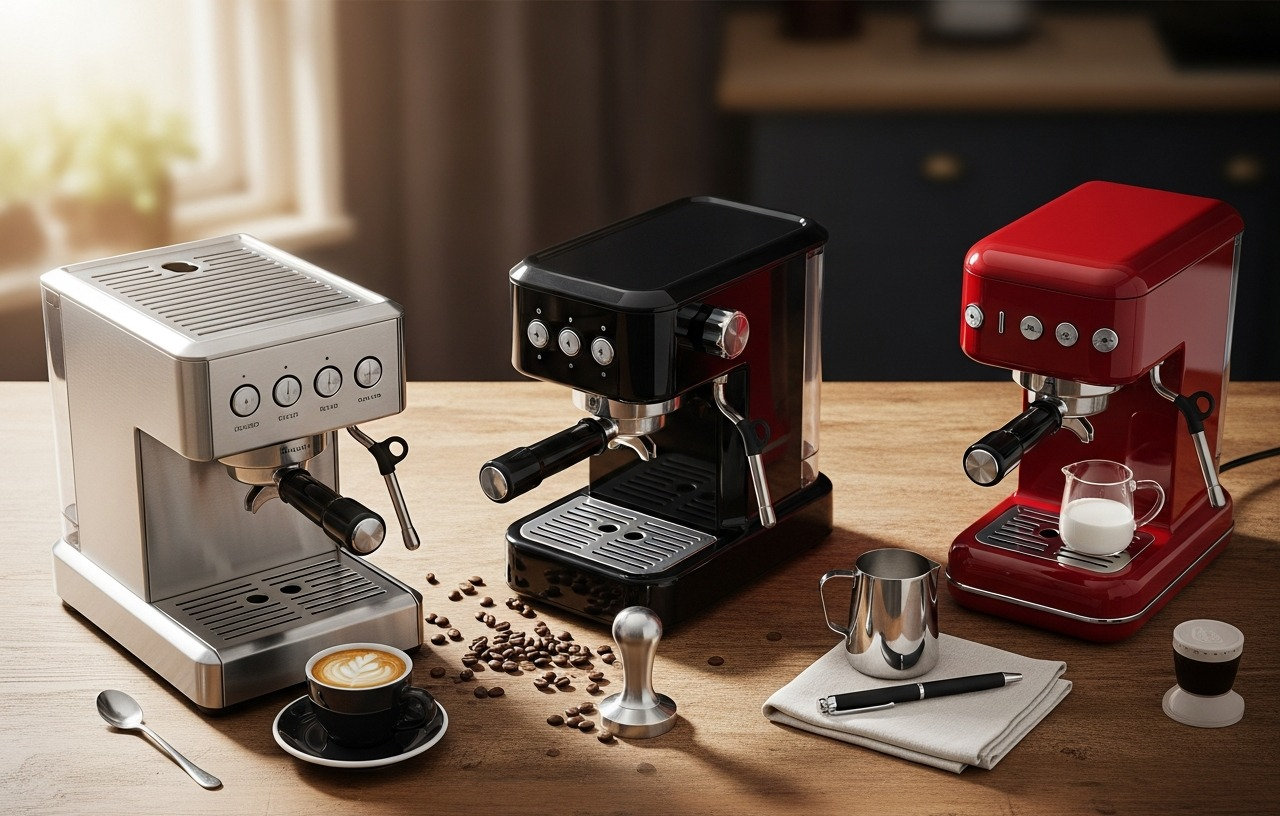
An espresso machine is an investment. The machine itself might cost anywhere from $150 for a basic entry-level model to over $2,000 for a prosumer dual-boiler unit. However, the recurring expenses are what truly define the long term financial commitment.
Coffee Beans: The Biggest Ongoing Expense
Coffee beans represent the largest continuous expense. A typical espresso shot uses about 18-20 grams of coffee. If you make two shots daily, that is 36-40 grams per day. Over a month, this adds up to approximately 1.1 to 1.2 kilograms (2.5 to 2.6 pounds) of coffee. Quality espresso beans typically cost $15 to $25 per 12-ounce bag (about 340 grams).
At this rate, you could easily spend $50 to $100 per month on coffee beans alone. This translates to $600 to $1,200 per year. Opting for cheaper, lower-quality beans might reduce this, but it will also compromise the taste of your espresso. Many enthusiasts find that investing in fresh, high quality beans is non-negotiable for a superior coffee experience.
Cleaning and Maintenance Supplies
Regular cleaning is vital for machine longevity and consistent espresso quality. Ignoring maintenance leads to clogs, mineral buildup, and eventually, costly repairs. These supplies are a mandatory part of ownership.
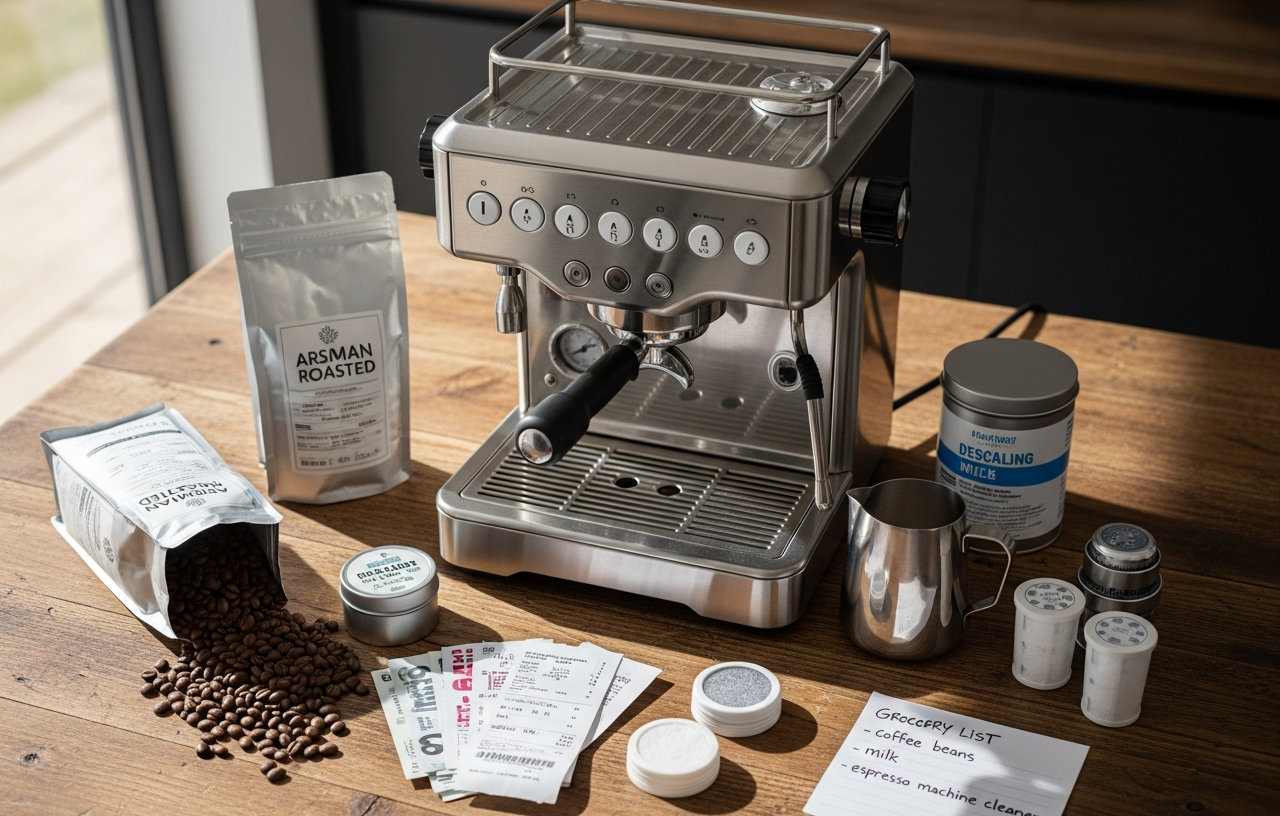
- Descaling Solution: Espresso machines, especially those using tap water, accumulate mineral scale. Descaling should happen every 1-3 months, depending on water hardness and usage. A bottle of descaling solution costs $10 to $20 and typically provides 2-4 uses. Annual cost: $20 to $60.
- Backflushing Detergent: For machines with a three-way solenoid valve, backflushing with a specialized detergent cleans the group head and internal pathways. This should be done weekly for regular users. A container of detergent costs $15 to $30 and lasts for many months. Annual cost: $15 to $30.
- Water Filters: Many machines use internal water filters to reduce scale and improve water taste. These need replacement every 1-2 months. A pack of filters costs $20 to $40 for a few units. Annual cost: $60 to $120.
- Group Head Brushes and Microfiber Cloths: These are smaller, infrequent purchases. A good brush costs $5 to $15. Microfiber cloths are a few dollars each. Annual cost: $10 to $20.
Combined, cleaning and maintenance supplies add $105 to $230 to your annual expenses. This might seem small compared to coffee beans, but it directly impacts the machine's performance and lifespan.
Common Espresso Machine Repairs and Their Costs
Even with diligent cleaning, parts wear out. Understanding common issues and their associated costs helps you decide between DIY fixes and professional service.
Leaking Pump or Solenoid Valve Replacement
A common issue is water leaking from the machine's internal components, or the pump sounding weak and failing to produce adequate pressure. This often points to a failing pump or a faulty solenoid valve.
Scenario: Your machine starts dripping water from the base, or the pump struggles to build pressure, leading to weak espresso shots.
Part Cost: A new vibratory pump, common in many home machines, costs $45 to $80 when ordered online from a parts supplier. A 3-way solenoid valve can cost $60 to $120. If you buy from a local hardware store that stocks specialty plumbing or appliance parts, prices might be 10-20% higher. A simple O-ring kit, often the cause of minor leaks, might only be $10 to $20.
Technician Cost: A professional technician will charge for the part plus labor. Labor rates typically range from $75 to $150 per hour. A pump or valve replacement might take 1.5 to 2 hours. So, the total cost for parts and labor could be $200 to $400 ($45-$120 for the part + $150-$300 for labor).
DIY vs. Professional: Replacing a vibratory pump or solenoid valve is often a manageable DIY task for someone comfortable with basic tools and following instructional videos. It involves disconnecting a few hoses and wires, then mounting the new component. You save $150 to $300 in labor costs. However, if you are unsure about working with electrical components or internal plumbing, or if the machine is still under warranty, professional service is advisable. Opening the machine yourself might void the warranty.
Heating Element Failure
This is a more serious issue. If your machine turns on but never heats up the water, or heats it inconsistently, the heating element might be faulty. This renders the machine unusable for espresso.
Scenario: The espresso machine powers on, but the boiler never reaches brewing temperature. The steam wand also produces no steam.
Part Cost: A new heating element can cost $80 to $180, depending on the machine's make and model. Some manufacturers only sell the element as part of a larger boiler assembly, driving up the cost.
Technician Cost: Replacing a heating element is more involved, often requiring boiler disassembly. This could be 2 to 3 hours of labor. The total cost could be $230 to $500 ($80-$180 for the part + $150-$300 for labor).
DIY vs. Professional: This repair is significantly more complex than a pump replacement. It often involves draining the boiler, disconnecting numerous wires and tubes, and working with high-voltage components. Unless you have advanced DIY skills and experience with appliance repair, this is generally a job for a professional technician. The risk of electrical shock or further damage to the machine is high for an inexperienced person.
Grinder Burrs Replacement (for integrated grinders)
Many all-in-one espresso machines, like the Breville Barista Express, have integrated grinders. Over time, the burrs can dull, leading to inconsistent grind size, poor extraction, and bitter or sour espresso.
Scenario: Your coffee tastes off, extraction times are inconsistent, and the grinder sounds different, perhaps struggling more than usual.
Part Cost: A set of replacement burrs (conical or flat, depending on the grinder) costs $30 to $60. Some manufacturers sell specific burr sets for their models. Check Breville Barista Express Grinding Too Coarse: Fixes & Adjustments for more on grinder issues.
Technician Cost: Replacing grinder burrs is usually a quicker job, perhaps 0.5 to 1 hour of labor, depending on the machine's design. The total cost would be $60 to $120 ($30-$60 for the burrs + $30-$60 for labor).
DIY vs. Professional: Many machines are designed for user friendly burr removal and replacement. You can typically save $30 to $60 by doing it yourself. The risk is minimal, mostly involving careful handling of small parts. This is a highly recommended DIY repair for most home baristas.
When DIY Repairs Make Financial Sense
DIY repairs offer significant savings by eliminating labor costs. This is especially true for simpler issues or when the part itself is inexpensive. Consider DIY if:
- The repair involves accessible components like O-rings, gaskets, or vibratory pumps.
- You have basic tools such as screwdrivers, wrenches, and perhaps a multimeter.
- Clear instructional videos or service manuals for your specific machine model are available online.
- You feel confident working with internal components and are patient enough to troubleshoot.
- The machine is out of warranty, so you do not risk voiding it.
For example, a universal O-ring assortment kit costs about $15 and can fix many minor leaks. Replacing a worn-out gasket in the group head, which costs $5 to $10, is another easy DIY task. These small fixes prevent larger problems and keep your machine running smoothly without incurring labor charges.
When to Call a Professional Espresso Machine Technician
While DIY saves money, some situations absolutely warrant professional intervention. This is not just about convenience; it is about safety and avoiding further damage.
- Electrical Issues: If the machine has intermittent power, trips breakers, or shows signs of electrical shorts, a professional should handle it. Working with high voltage without proper training is dangerous.
- Complex Internal Failures: Issues involving the main circuit board, pressurestat, or extensive plumbing leaks that are hard to trace are best left to experts.
- Warranty Protection: If your machine is still under manufacturer warranty, attempting DIY repairs will almost certainly void it. Always check warranty terms before opening your machine.
- Lack of Confidence or Time:
- High-Value Machines: For very expensive prosumer or commercial-grade machines, the risk of causing more damage with a DIY attempt outweighs the cost of professional repair.
A good technician has specialized tools, access to genuine parts, and experience with various machine models. Their expertise can diagnose problems quickly and fix them correctly the first time, potentially saving you from repeated repairs or purchasing a new machine. You can find more information on machine costs in our How Much Does a Good Espresso Machine Really Cost? article.
Beyond the Basics: Accessories and Upgrades
The cost of ownership also includes optional accessories that enhance your espresso experience. While not strictly necessary, many home baristas consider these essential for consistent, high quality shots.
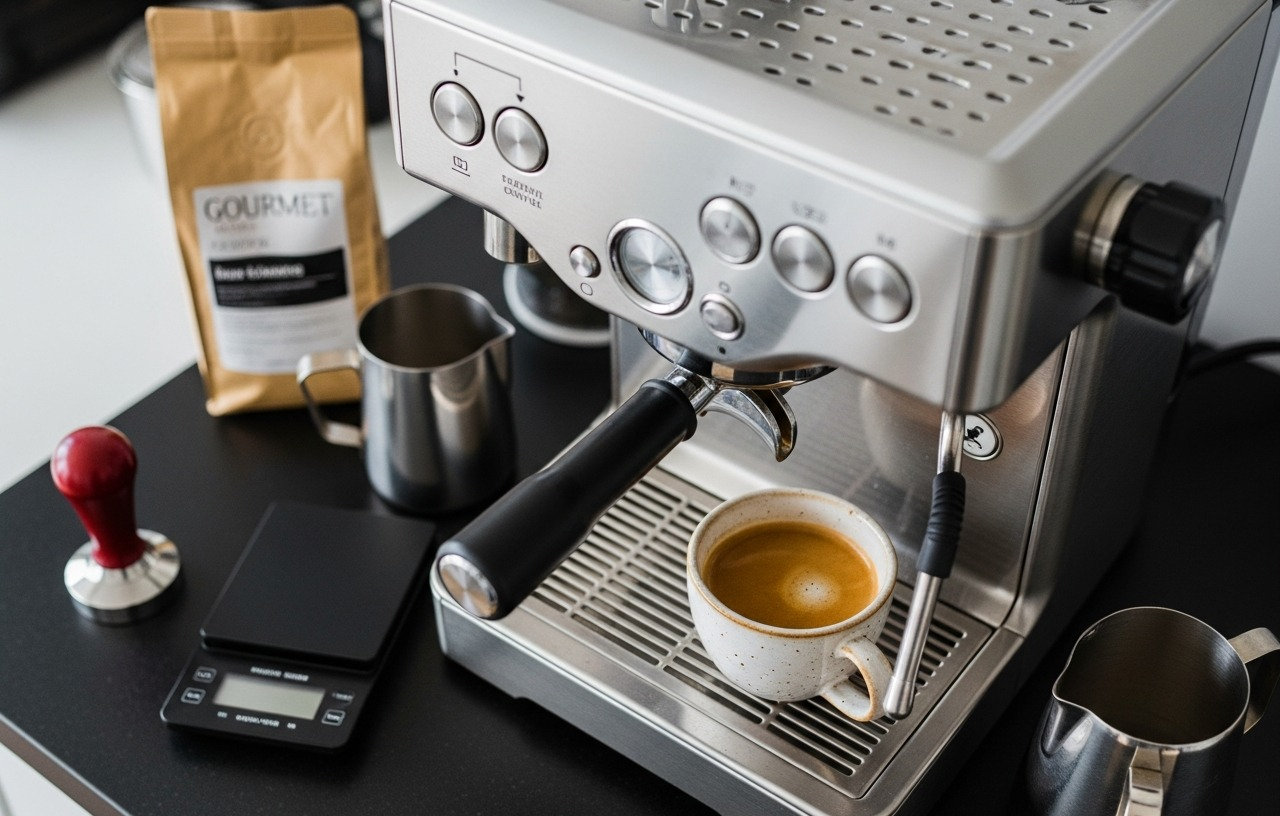
- Precision Tamper: A good tamper ensures even coffee puck compression. Prices range from $30 to $80.
- Coffee Scale: Weighing your coffee beans and espresso yield improves consistency. Scales cost $20 to $100.
- WDT Tool: A Weiss Distribution Technique (WDT) tool helps break up clumps in the coffee grounds, promoting even extraction. These are typically $15 to $40.
- Bottomless Portafilter: This helps diagnose extraction issues by letting you see the coffee flow. Prices are $50 to $120.
- Knock Box: A dedicated container for spent coffee pucks keeps your counter clean. Costs $20 to $50.
These accessories can add another $100 to $400 to your initial setup cost or be acquired gradually over time. They are investments in improving the quality and consistency of your homemade espresso.
Owning an espresso machine is a rewarding experience, but it comes with ongoing financial considerations. By understanding the costs of beans, cleaning supplies, and potential repairs, you can better manage your budget and keep your machine in top condition. Choosing between DIY and professional repair depends on the specific issue, your skill level, and the machine's warranty status. Proactive maintenance and informed repair decisions will maximize your machine's lifespan and ensure countless delicious espresso shots.