Burr Grinder vs. Blade Grinder: Which is Right for Your Coffee?
The choice between a burr grinder and a blade grinder is a foundational decision for any home coffee enthusiast seeking to elevate their brew. While both devices process whole coffee beans into grounds, their methods produce vastly different results. For superior flavor extraction and versatility across brewing methods, particularly espresso, burr grinders are the clear winner. Blade grinders, while more affordable, offer a less precise and consistent grind.
Understanding what is the difference between blade and burr coffee grinders is key to making an informed purchase. This comparison will break down the mechanics, performance, and suitability of each type to help you choose the best grinder for your coffee ritual.
How Coffee Grinders Work: The Core Difference
The primary distinction between burr and blade grinders lies in their grinding mechanism. This difference directly influences the uniformity of the coffee grounds produced, which in turn affects the coffee's flavor and extraction.
Blade Grinders: Chopping Action
Blade grinders operate much like a food processor or blender. They feature a spinning metal blade at the bottom of a chamber. When activated, the blade spins at high speed, chopping the coffee beans into smaller pieces. The longer you run the grinder, the finer the grounds become. However, this chopping action is inherently inconsistent. It produces a wide range of particle sizes, from fine dust to large chunks, all within the same batch.
This inconsistency means that some coffee grounds will over-extract, leading to bitterness, while others will under-extract, resulting in a weak or sour taste. The heat generated by the rapid blade movement can also slightly toast the grounds, potentially affecting delicate flavor notes.
Burr Grinders: Crushing and Grinding
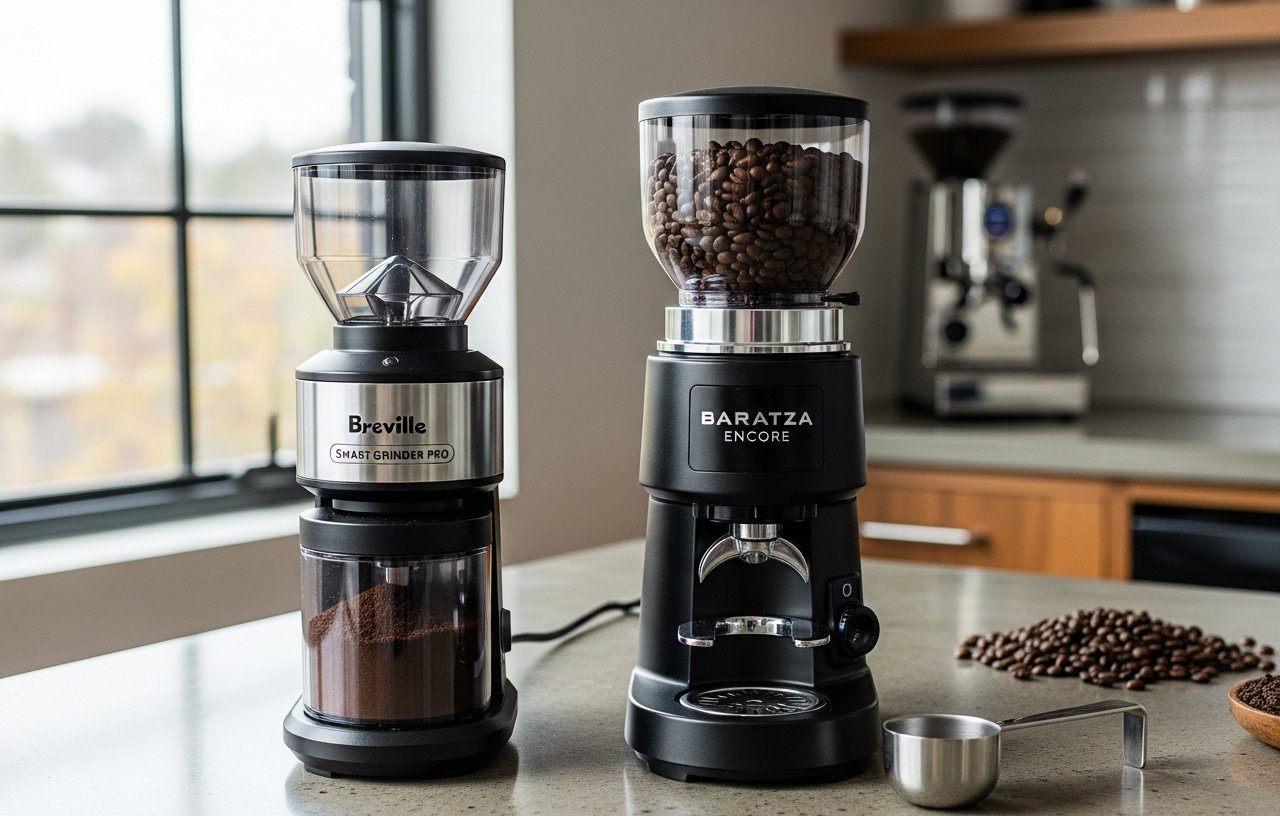
Burr grinders, on the other hand, use two abrasive surfaces, called burrs, to crush coffee beans into uniform particles. One burr is typically stationary, while the other rotates. Coffee beans are fed into the gap between these burrs. As the burrs spin, they grind the beans down to a specific, adjustable size. The distance between the burrs determines the coarseness or fineness of the grind.
This controlled grinding process results in a much more uniform particle size. With evenly sized grounds, water can flow through the coffee bed at a predictable rate, allowing for balanced extraction and optimal flavor development. This uniformity is especially critical for espresso, where precise grind size is essential for achieving the correct pressure and extraction time.
Performance Comparison: Grind Consistency and Flavor Impact
The most significant performance difference between blade and burr grinders is the consistency of the grind. This directly translates to the quality of the coffee brewed.
Grind Uniformity
Blade grinders: Produce a highly inconsistent grind. Expect a mix of powder, fine grounds, medium particles, and even whole or cracked beans in a single batch. This is due to the random chopping action.
Burr grinders: Produce a remarkably uniform grind. The particle size is determined by the gap setting between the burrs. Whether set for coarse, medium, or fine, the grounds will be very close in size.
Flavor and Extraction
Blade grinders: The inconsistent grind leads to uneven extraction. Finer particles over-extract, creating bitterness. Coarser particles under-extract, producing sourness or weakness. The heat generated can also diminish volatile aromatics. This makes them generally unsuitable for brewing methods that require precise grind control, such as espresso or pour-over.
Burr grinders: The uniform grind allows for even extraction. This means all coffee particles contribute to the flavor profile in a balanced way, leading to a cleaner, sweeter, and more complex cup. Burr grinders also produce less heat, preserving more of the coffee's delicate aromas and flavors. This consistency is why burr grinders are the standard in specialty coffee shops and for home espresso enthusiasts.
Versatility
Blade grinders: Offer limited versatility. While you can adjust grind size by time, the results are unpredictable. They are best suited for a coarse grind for drip coffee or a very fine grind for Turkish coffee if you're willing to accept inconsistency. They can also grind spices and nuts, but residual coffee oils can affect spice flavors.
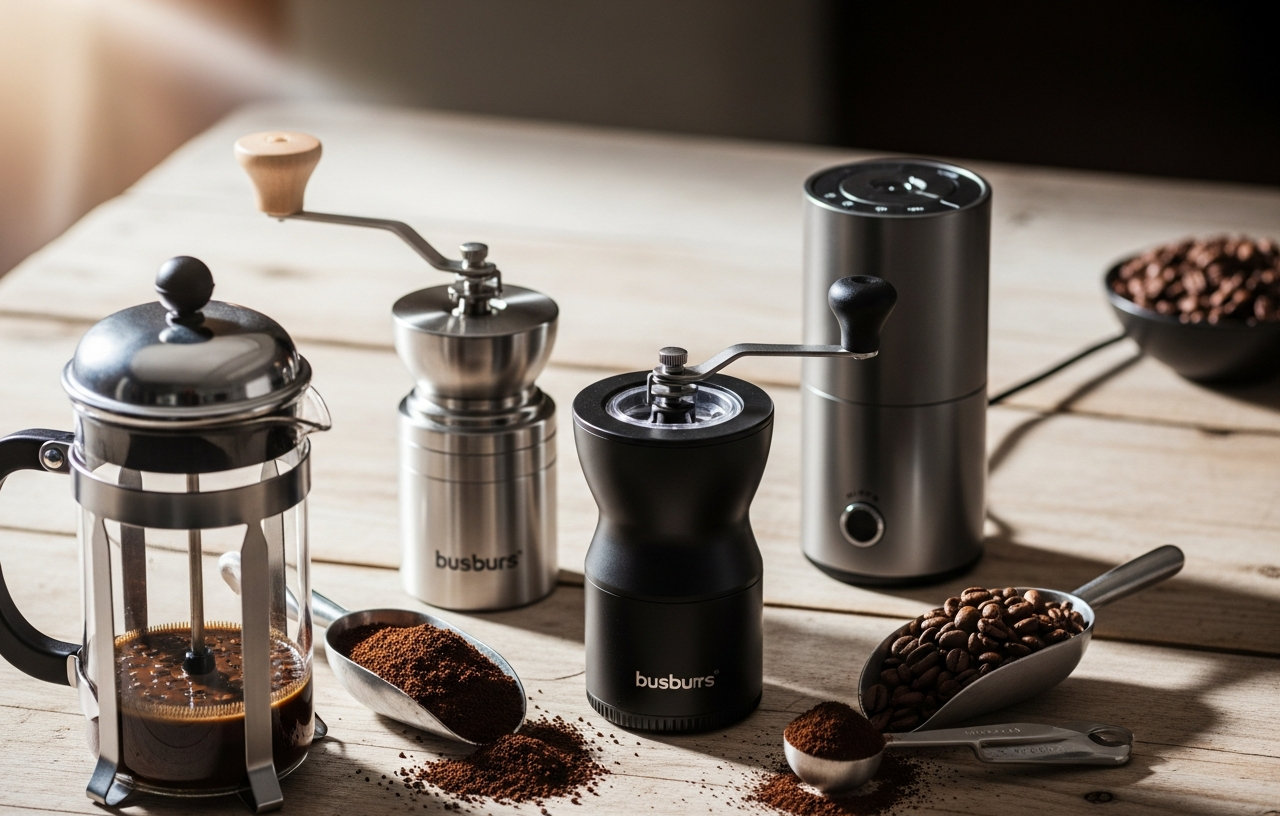
Burr grinders: Highly versatile. They offer a wide range of adjustable grind settings, from extremely fine (for espresso) to very coarse (for French press). This allows you to dial in the perfect grind size for virtually any brewing method. Many burr grinders can also handle spices and nuts, though dedicated spice grinders are recommended to avoid flavor contamination.
Ease of Use and Cleaning
Both types of grinders are generally simple to operate, but cleaning can differ.
Operation
Blade grinders: Typically feature a single button or a lid-activated switch. You press down to grind, and release to stop. The process is quick, often taking just seconds to grind enough beans for a pot of coffee.
Burr grinders: Operation varies. Manual burr grinders require you to crank a handle. Electric burr grinders usually have a power button, sometimes with timer settings or grind selectors. They generally take longer to grind than blade grinders, as the burrs work more deliberately.
Cleaning
Blade grinders: The removable grinding cup is usually easy to rinse. The blade itself can be wiped clean, but residual coffee dust can accumulate. Some models have dishwasher-safe cups.
Burr grinders: Cleaning involves removing the upper burr (in most electric models) and brushing away coffee grounds and oils from both burrs and the grinding chute. This can be more involved than cleaning a blade grinder, but it's essential for maintaining performance and flavor. Regular cleaning prevents stale grounds from affecting your coffee.
Price and Value
Price is a significant factor for many consumers. Blade grinders are considerably more affordable than burr grinders.
Blade Grinder Pricing
Blade grinders are available at very low price points. You can find basic models for as little as $20 to $30. Higher-end blade grinders might cost up to $50, offering more power or slightly better build quality, but the fundamental grinding mechanism remains the same.
Burr Grinder Pricing
Burr grinders represent a wider price spectrum. Entry-level electric burr grinders can start around $50 to $100. Mid-range models often fall between $100 and $300. high end, professional-grade burr grinders can cost $400 or more. The price often reflects build materials (steel vs. Its one-touch control means you simply push down on the lid to start grinding and release to stop, making it easy to operate. The stainless steel blade is powerful, capable of grinding enough whole coffee beans for up to 12 cups of coffee quickly. The 4 oz. stainless steel bowl includes markings for 4, 8, 10, or 12 cups, helping you measure the right amount of beans. It's designed for home use and can process about 30 grams (1 ounce) of beans for drip coffee in approximately 10 seconds. Beyond coffee beans, it's also capable of grinding herbs, spices, grains, and nuts, offering some versatility for a blade grinder. Its ease of use and quick operation make it a convenient option for daily coffee preparation, particularly if you prioritize speed over absolute grind uniformity.

- One-touch control for easy grinding - push down on cover to begin and release to stop. The clear cover.
- The stainless steel blade performs powerfully, quickly grinding enough whole coffee beans to make up to 12.
- The 4 oz. stainless steel bowl features markings to measure beans needed for 4, 8, 10 or 12 cups of.
- Model BCG111 includes (1) Burr Grinder, (1) 4 oz grind bowl, (1) Top cover
SHARDOR Electric Super Silent Blade Coffee Grinder
The SHARDOR grinder aims to reduce noise pollution with its "super silent" operation, averaging around 63 dB, which is quieter than many competitors. It features timed grind control via a rotary knob, allowing you to adjust the grind from coarse to fine with seconds markers. This offers a bit more control over particle size than a simple on/off button. The removable grinding cup holds 2.5 oz of beans, enough for up to 10 cups of coffee. For a more in depth look at these machines, consider exploring our comparison of espresso machines, as many high end espresso makers include integrated burr grinders, or our guide to coffee makers where grind quality is often discussed.
Comparison Table: Key Specifications
| Feature | KitchenAid BCG111OB Blade Grinder | Amazon Basics Electric Grinder | SHARDOR Super Silent Blade Grinder |
|---|---|---|---|
| Grinder Type | Blade | Blade | Blade |
| Capacity | 4 oz (approx. 12 cups) | 1 oz (approx. 30g) | 2.5 oz (approx. 10 cups) |
| Power | N/A (Motor power not specified) | N/A (Motor power not specified) | N/A (Motor power not specified) |
| Grind Adjustment | By time (inconsistent) | By time (inconsistent) | Timed control (seconds marks) |
| Noise Level | Standard for blade grinders | Standard for blade grinders | Approx. 63 dB (quieter) |
| Other Uses | N/A | Spices, herbs, grains, nuts | N/A |
| Price Range (USD) | $25 - $35 | $20 - $30 | $30 - $40 |
Which Grinder is Right for You?
The decision hinges on your brewing priorities, budget, and the types of coffee you enjoy.
Choose a Blade Grinder if:
- Your budget is very tight. Blade grinders are the most affordable entry point into grinding your own beans.
- You primarily brew drip coffee or use a French press and don't mind some inconsistency. While not ideal, you can achieve a passable coarse grind for these methods.
- You need a quick, simple solution for grinding beans. They are fast and require minimal effort.
- You are new to home coffee and want to experiment without a large investment.
Choose a Burr Grinder if:
- You are serious about coffee flavor and want to maximize extraction. The consistent grind is non-negotiable for quality.
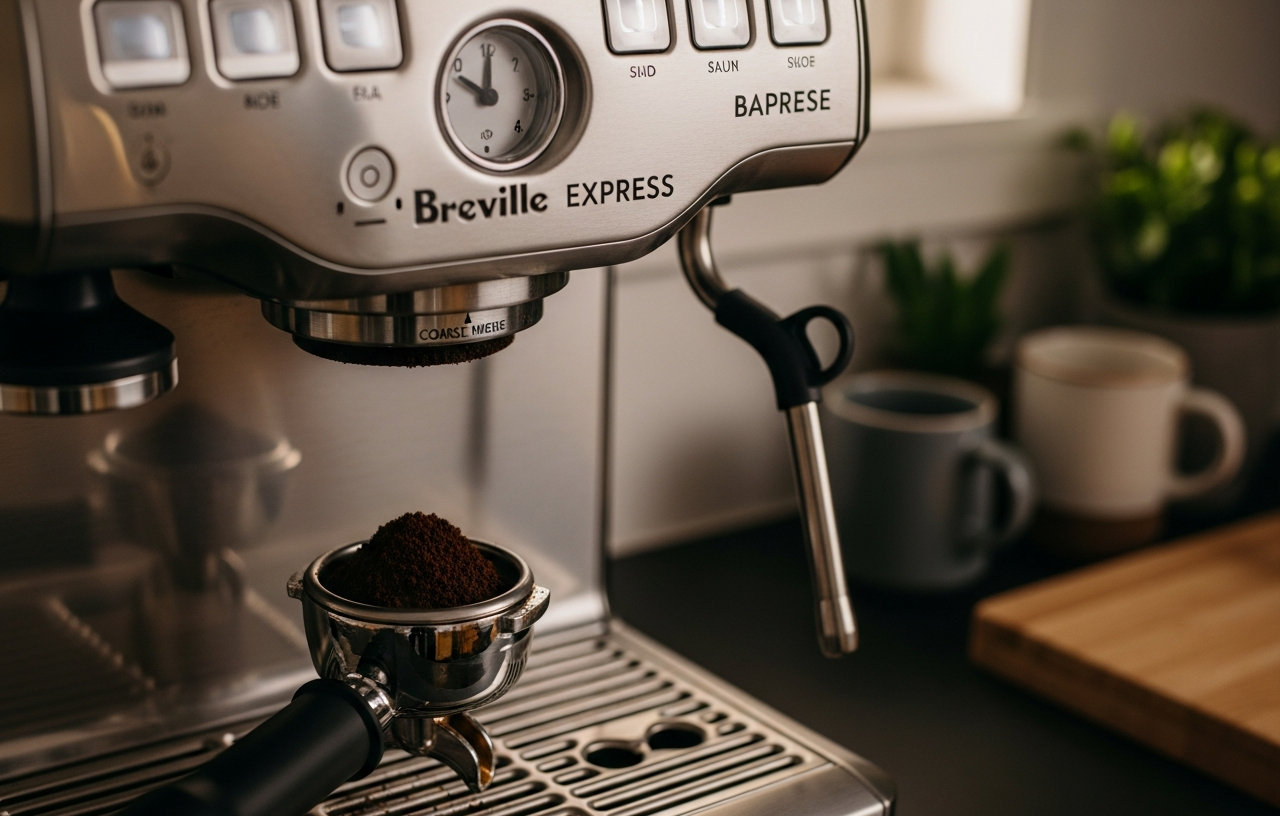
- You brew espresso. Espresso requires a very fine and consistent grind that only burr grinders can reliably provide.
- You use various brewing methods. The ability to adjust grind size precisely for pour-over, Aeropress, French press, and drip is invaluable.
- You are willing to invest more for a significant upgrade in coffee quality.
For those aiming to explore the nuances of coffee flavor and achieve cafe-quality results at home, investing in a burr grinder is a worthwhile endeavor. It is the single most impactful piece of equipment after the coffee beans themselves. While blade grinders serve a purpose for basic needs, they cannot unlock the full potential of your coffee.
For more information on brewing equipment that benefits from a consistent grind, you might find our comparison of the Breville Barista Express vs Bambino Plus helpful, as grinder quality is a key differentiator in espresso machine performance. If you're curious about other coffee brewing methods, our guide on making homemade cold brew coffee also highlights how grind size impacts the final beverage.
Note: This article focuses on the fundamental differences between blade and burr grinders. While specific models like the KitchenAid BCG111OB, Amazon Basics Grinder, and SHARDOR Super Silent Grinder are discussed as examples of blade grinders, it is strongly recommended to research electric or manual burr grinders for a superior coffee grinding experience.